Notes from the revenue frontier
Perspectives on financial services, distribution, and the intersection of AI and enterprise sales.
All Posts
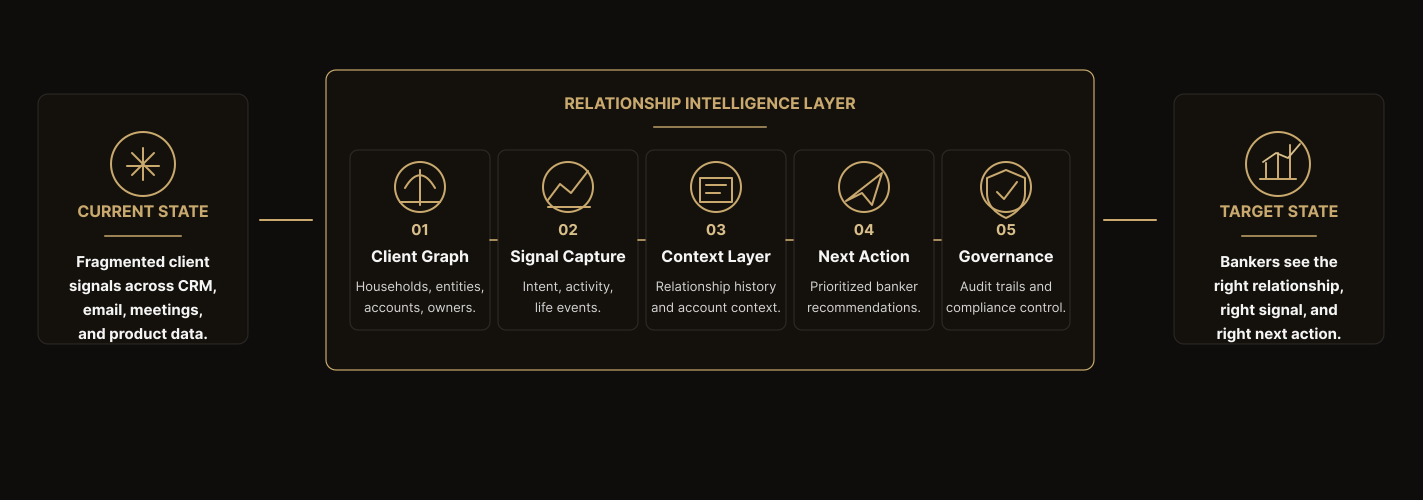
Relationship Intelligence for BFSI Sales: The Missing Layer Between Warm Paths and Revenue Action
Generic relationship intelligence tools can show who knows whom. BFSI sales teams need more: warm-path discovery, hierarchy-aware client mapping, signal-driven coverage, and RM-approved next actions.
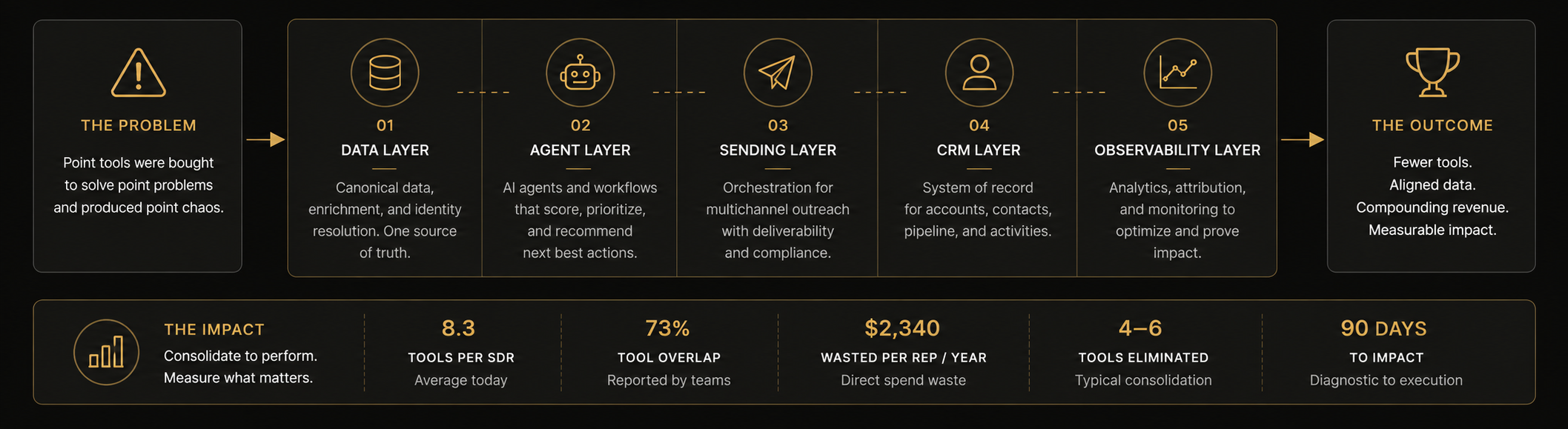
Why Financial Services Sales Tech Stacks Are Failing Enterprise Teams
Financial services teams do not need another point tool. They need a clearer revenue stack architecture that reduces overlap, protects CRM trust, and turns account data into governed seller action.

The Rise of GTM Engineering Teams in Enterprise Financial Services
GTM engineering is becoming the build-side discipline behind enterprise revenue systems. Here's how it differs from RevOps, what the operating model looks like, and why financial institutions need this capability as AI moves from pilot to production.
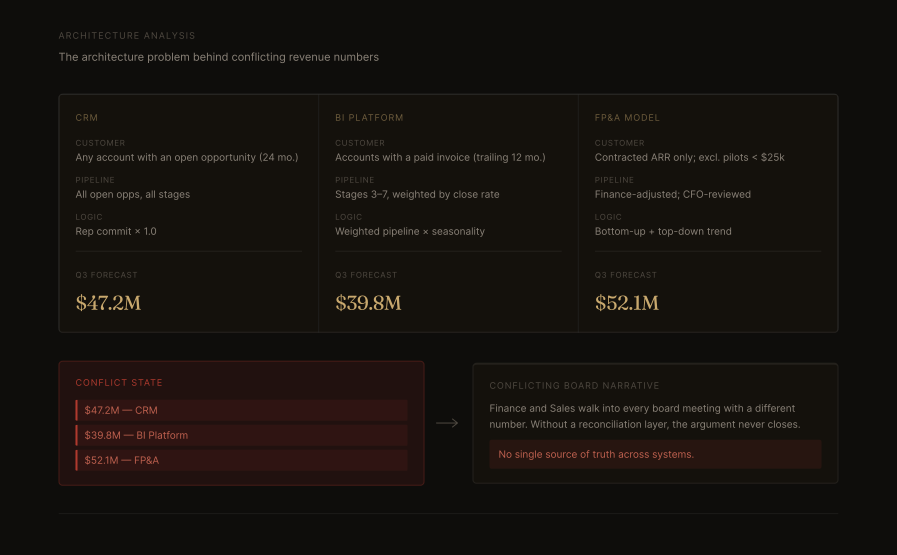
Why Financial Services Revenue Teams Need a Single Source of Truth
A practical guide to the architectures, governance rules, and execution layer behind trusted revenue data in financial services.
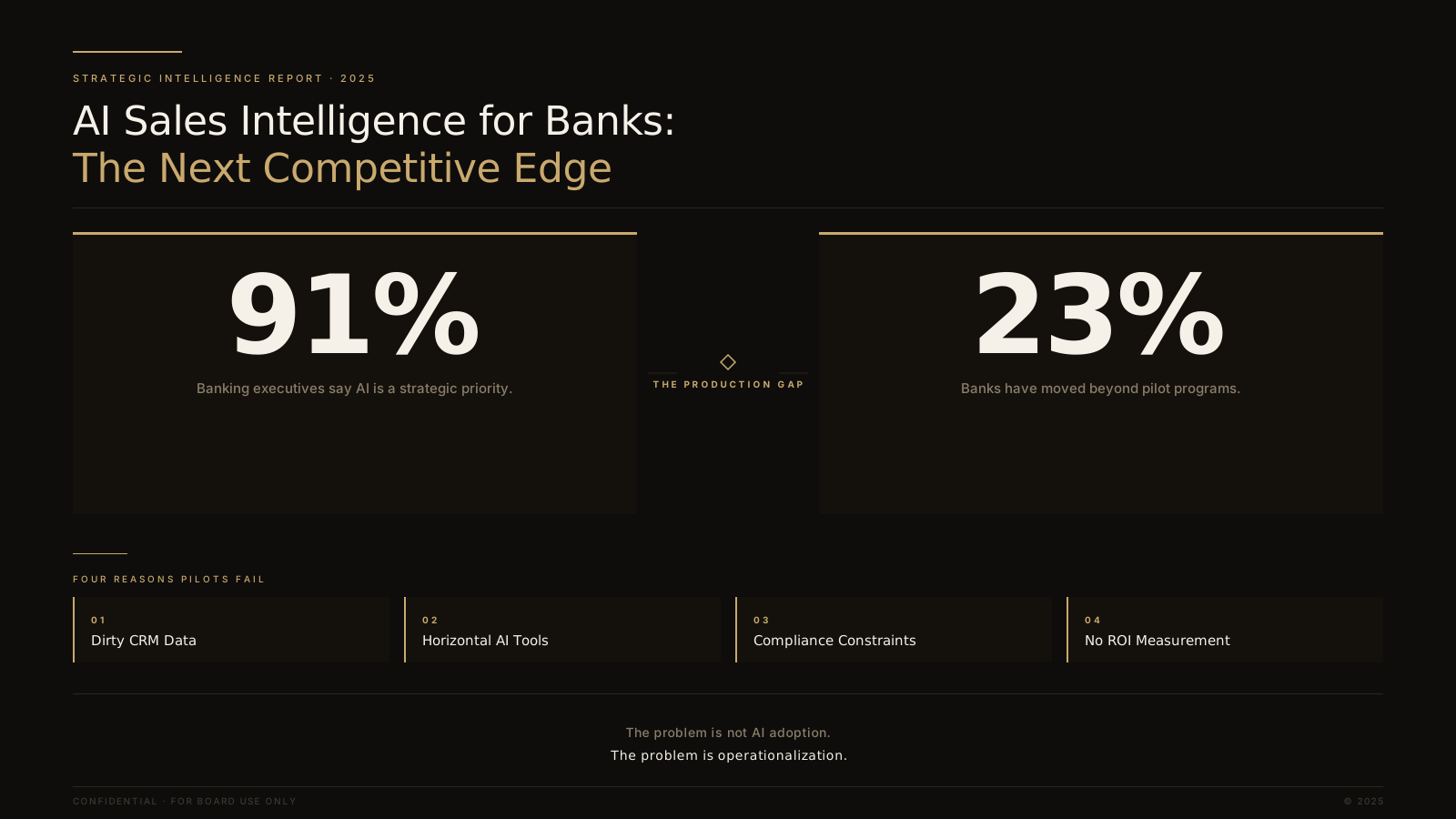
AI Sales Intelligence Platform for Banks: How to Choose One That Reaches Production
A bank-specific guide to AI sales intelligence: the vendor categories, production requirements, pilot traps, and 25 RFP questions every banking team should ask before choosing a platform.
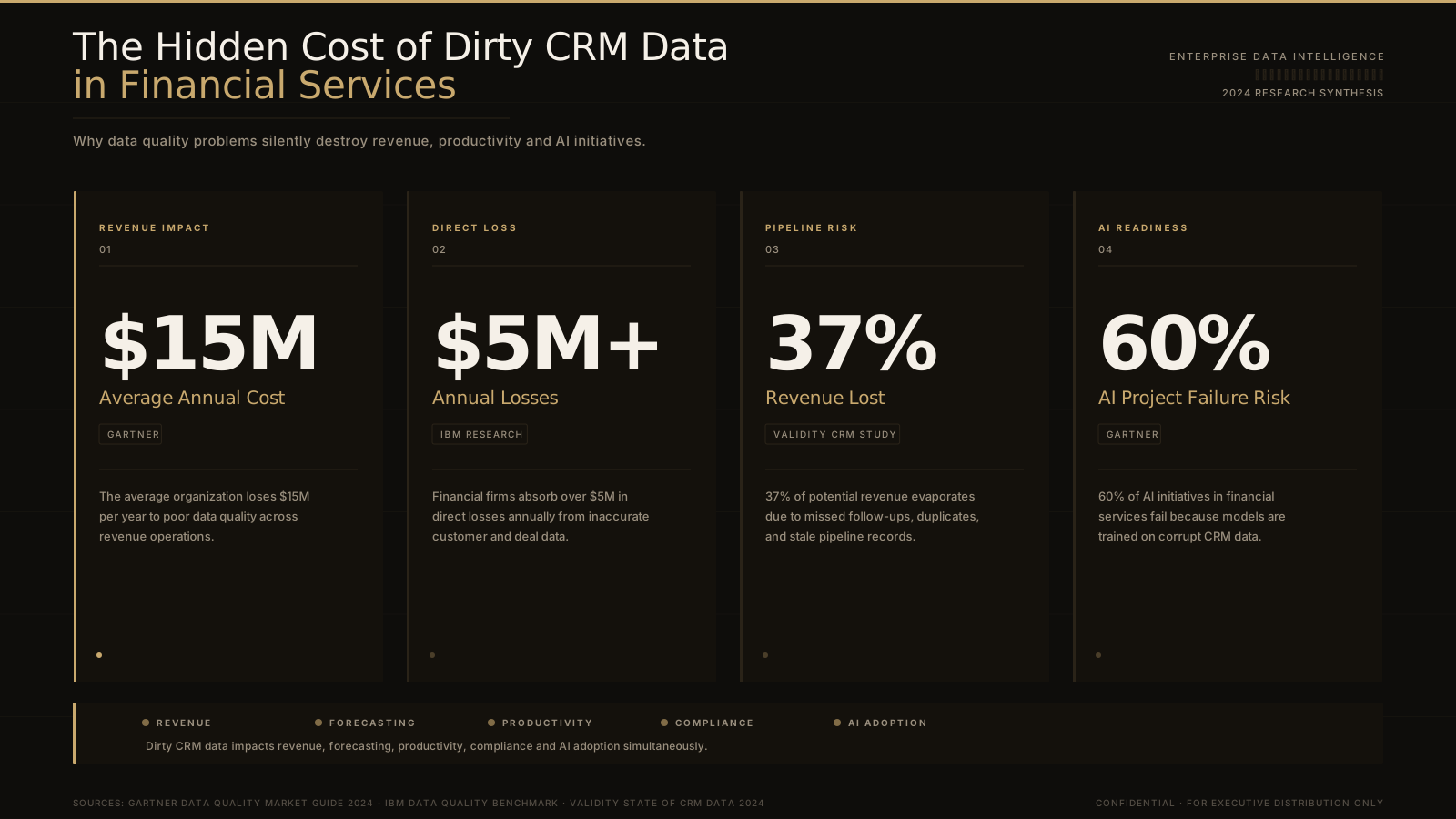
The Hidden Cost of Dirty CRM Data in Financial Services
Dirty CRM data is more than a cleanup issue in BFSI. It creates revenue leakage, unreliable forecasts, stalled AI programs, and CRM distrust when client entities and hierarchies are not resolved across systems.
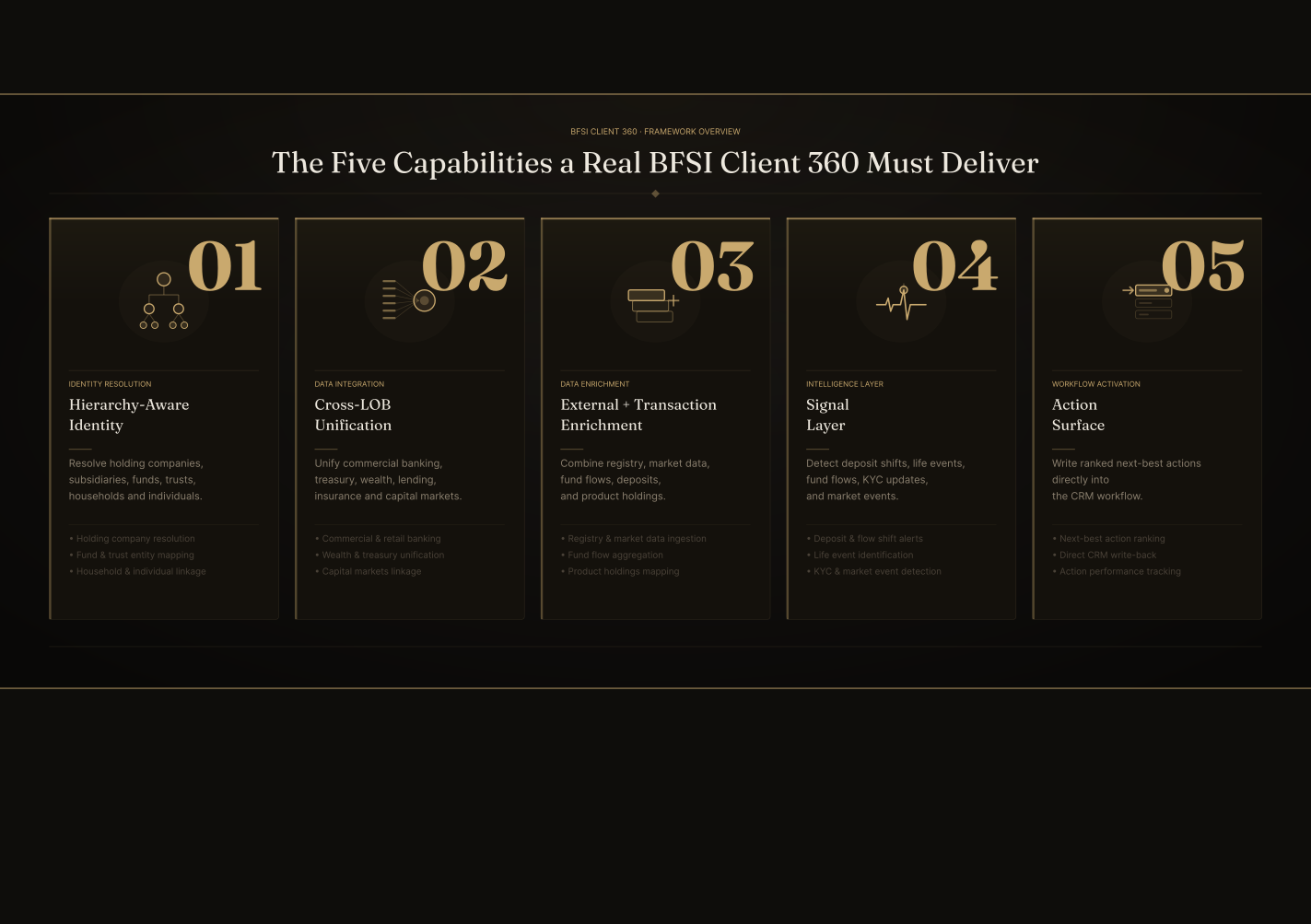
Why Banks Need Client 360 Intelligence, Not Another Profile Screen
A real Client 360 platform for banks is hierarchy-aware, signal-enriched, and action-oriented. It does more than display client data; it helps relationship managers decide what to do next.

Revenue Infrastructure Engineering: How Financial Services GTM Becomes Production Software
Revenue infrastructure engineering applies software engineering discipline to financial-services GTM systems, turning CRM, client data, signal detection, and AI next-best-action workflows into governed production infrastructure.

Why BFSI Sales Teams Are Drowning in Fragmented CRM Data
BFSI sales teams struggle with fragmented CRM data because the same client can exist across CRM, core banking, transaction, product, and KYC systems with no canonical, action-ready entity.
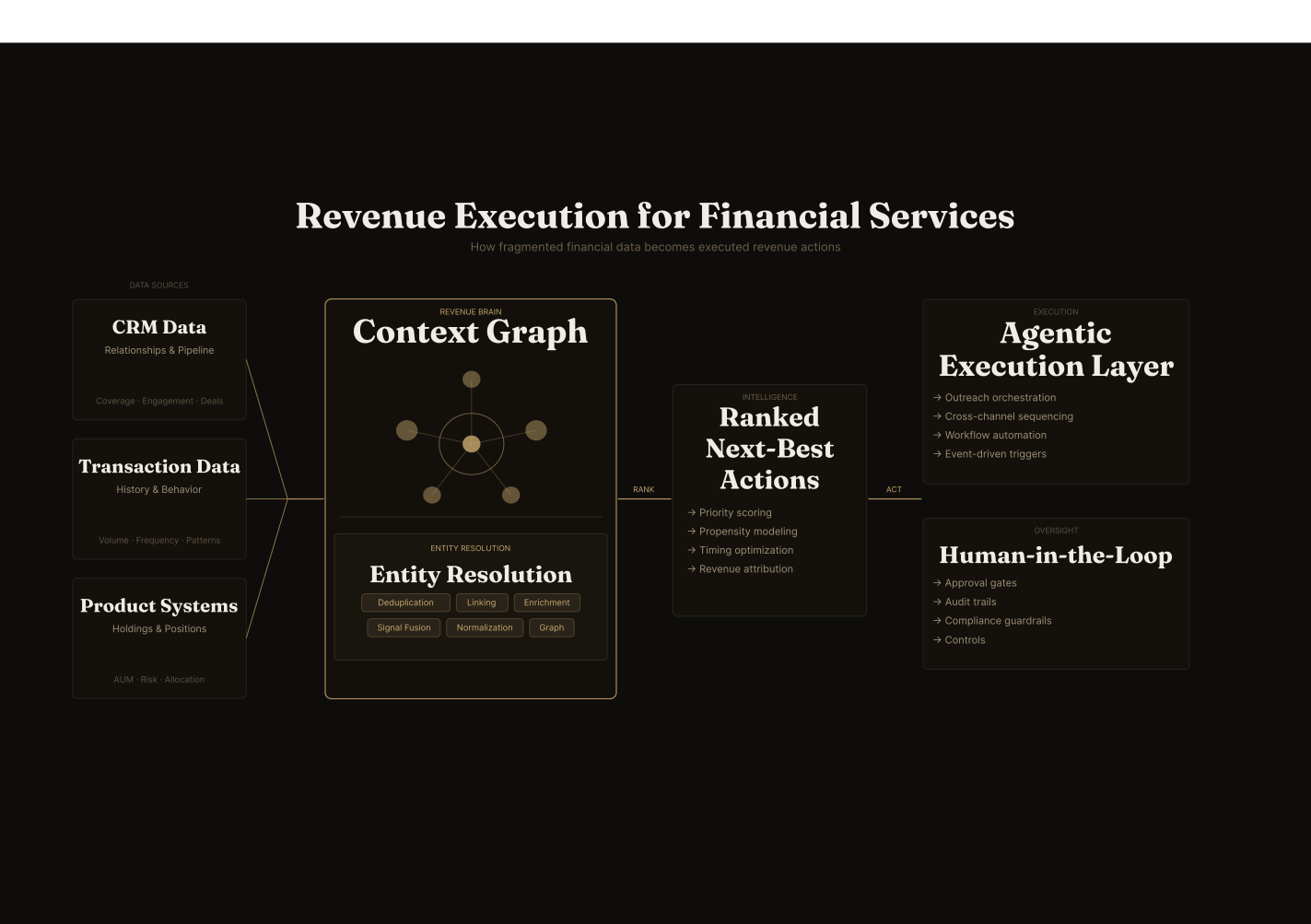
What Is Revenue Execution for Financial Services? The Missing Layer Between CRM Data and Action
Revenue execution for financial services connects fragmented CRM, transaction, product, and client data to entity-resolved next-best actions that relationship managers can review, approve, and act on.
Financial Services: What Is Really Changing in Distribution and Sales
After conversations across asset management, transaction banking, payments, and credit cards, one pattern stands out: the durable edge is shifting from product manufacturing to distribution, client intelligence, and execution.
Digital Client Engagement in Wealth Management: Behavioral Insights for Better Advisor Conversations
Investment decisions are rarely immediate or purely rational. Here is how wealth management firms can design digital client engagement around behavioral signals, advisor timing, and confidence-building conversations.
Evolution of the Financial Services B2B Buyer Journey
Financial services buyers no longer follow a straight path from awareness to purchase. They research, compare, ask, pause, re-engage, and move across digital and human channels. The teams that win are the ones that can read those journey signals early.
AI Sales Intelligence for Insurance: What Is Changing in B2B Insurance Sales
Automation, predictive analytics, and signal-driven engagement are reshaping B2B insurance sales. The firms that win will connect account, policy, relationship, and renewal context to timely action.
The Power of Distribution in Financial Services
Financial products are no longer the only differentiator. In asset management, wealth, and financial services, the next advantage belongs to firms that can turn channel data, advisor relationships, and buying signals into focused distribution action.
The Regulatory Maze: Navigating Compliance in B2B Financial Services Sales
Compliance should not sit outside the sales motion. For regulated financial services teams, the advantage comes from building policy context, approvals, and human oversight into the way teams engage clients.
Innovations in B2B Distribution for Financial Services
Digital channels are not the whole story. In banking, wealth, asset management, and payments, distribution is being reshaped by signal visibility, client context, and action-ready workflows.